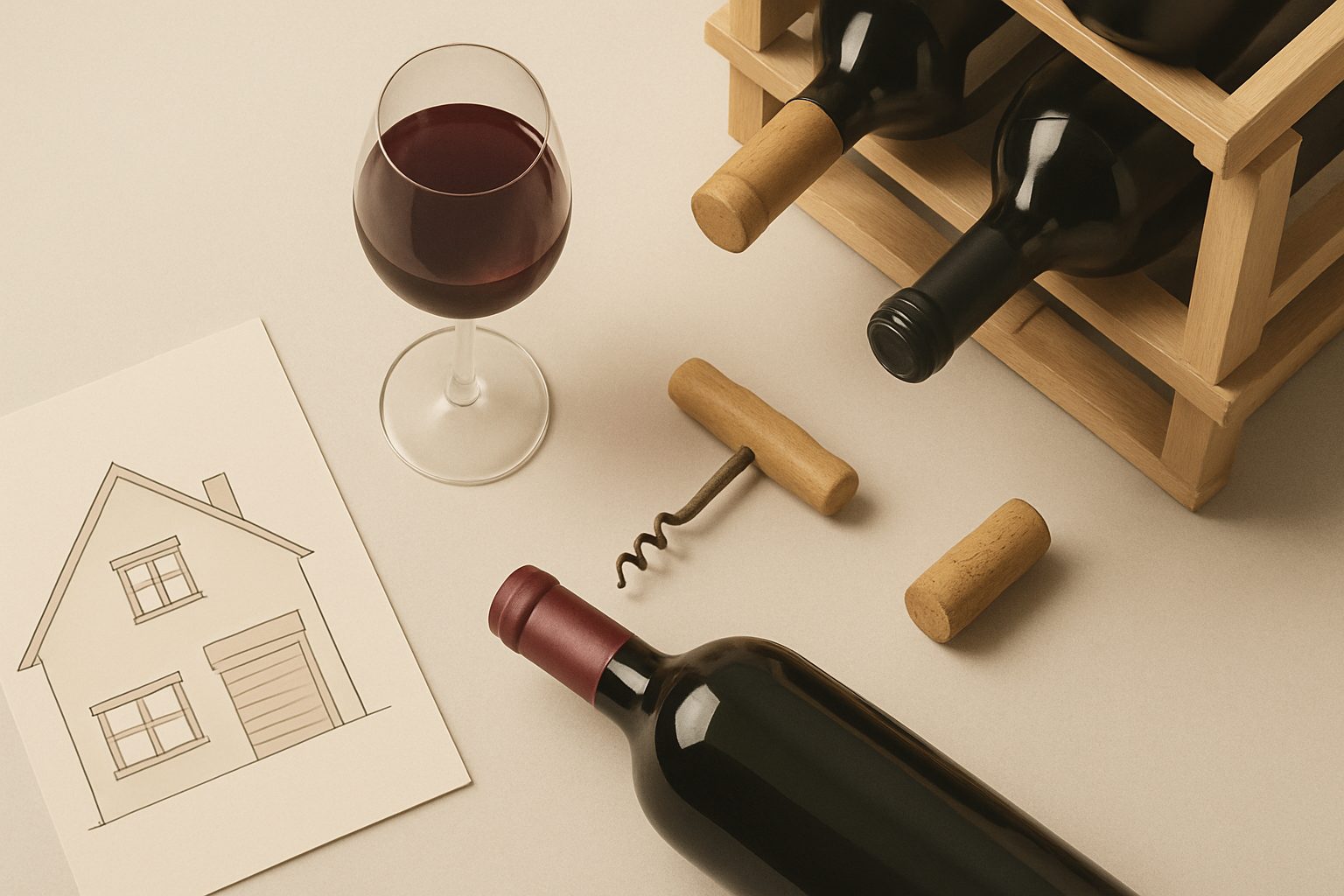
How to Maintain a Home Wine Cellar UK: Seasonal Care Checklist for Collectors
Maintaining a home wine cellar in the UK requires more than just racking your bottles and forgetting about them. Britain's unpredictable climate—damp winters, variable humidity, and temperature fluctuations—poses genuine challenges to wine storage. A well-maintained cellar protects your collection from cork degradation, oxidation, and label damage, ultimately preserving both flavour and value.
The key is treating your cellar as a living system that needs seasonal attention. Different times of year demand different priorities, from battling winter dampness to preventing summer heat spikes.
Winter: Managing Moisture and Cold
Winter is when UK cellars face their biggest threat: excess humidity. Condensation builds up as external moisture meets temperature differences between your cellar and the outside air.
Start by checking your ventilation system in November. If you rely on passive air vents, ensure they're clear of debris and positioned to encourage air circulation without creating cold draughts. Many collectors find that a small dehumidifier running intermittently keeps moisture levels stable—aim for 50–80% relative humidity. Too dry risks cork shrinkage; too damp encourages mould and label rot.
Inspect your cellar's structural integrity before the season peaks. Look for water ingress signs: damp patches on walls, efflorescence (white salt deposits), or musty smells. These indicate potential problems that worsen when rain and groundwater pressure increase. Addressing them now prevents expensive damage later.
During winter, reduce your cellar visits if possible. Each time you open the door, you're introducing warmer, moister air from outside. When you do visit, do it quickly and avoid leaving the door open whilst retrieving bottles.
Check your temperature stabilisation equipment mid-winter. If you have a wine cooler or temperature controller, verify it's maintaining your target range (typically 10–15°C for most collections). Winter cold can sometimes strain systems if your cellar is uninsulated; monitor readings closely.
Spring: Deep Clean and Inspection
Spring is the ideal time for a thorough cellar clean. Winter dust, cobwebs, and any mould spores should be addressed before warmer months encourage growth.
Start with a gentle clean of all surfaces. Use a damp cloth rather than water spray—excessive moisture is the enemy. Pay particular attention to storage racks, shelving, and corners where dust accumulates. If you spot any mould (usually black spots or a fuzzy appearance), treat it with a dilute white vinegar solution (one part vinegar to four parts water) and ensure thorough drying afterwards.
Inspect each bottle individually during spring. Check corks aren't drying out—if you store bottles horizontally, the wine should wet the cork, preventing it from shrinking. Look for any seepage or leaks from closures. Examine labels for damage and note any bottles showing signs of sediment migration or clarity issues. Create a simple inventory log if you don't already have one; you'll thank yourself when sourcing that Burgundy you bought three years ago.
Spring is also when you should test any monitoring equipment. Verify that your hygrometer and thermometer are functioning accurately. If you're relying on old analogue equipment, consider upgrading to digital sensors—they're affordable and far more reliable for spotting trends.
Check your cellar's insulation. If external walls feel cold to touch or condensation appears on surfaces during damp weather, you may need additional insulation or a more robust humidity control strategy.
Summer: Temperature Stability and Ventilation
Summer heat is your cellar's second-biggest challenge. Rapid temperature spikes cause wine to expand and potentially leak, whilst persistent heat speeds up chemical reactions that age the wine prematurely.
Your primary focus should be preventing temperature fluctuations larger than 2–3°C per week. If you don't have active temperature control, increase nighttime ventilation by opening external vents when evening temperatures drop below your target cellar temperature. Close them during the day to trap cool air.
If you use air conditioning or a wine cooler, service it before summer arrives. Replace filters, check refrigerant levels if it's a sealed system, and ensure all components are running efficiently. Summer is when these systems work hardest; a poorly maintained unit may fail when you need it most.
Reduce daytime light exposure. If your cellar has windows, fit blackout blinds or heavy curtains. Even indirect sunlight contributes heat and causes photo-oxidation of wine, particularly affecting lighter wines.
Check humidity levels weekly during summer. Heat increases evaporation, which paradoxically can lower relative humidity even if your cellar feels clammy. Your dehumidifier may need less frequent running, but monitor readings rather than assuming.
Autumn: Prepare for Winter and Assess Changes
Autumn is a transition period where you prepare your cellar for winter's challenges whilst reviewing how your collection has fared through the warmer months.
Service your heating or cooling equipment. If you rely on a wine cooler, have it professionally inspected before winter peak demand. Check that thermostat settings are calibrated correctly.
Review your inventory and consumption notes from the previous months. Are any bottles showing unexpected changes? Has your system maintained stable conditions? Use this information to adjust your approach for the coming year—perhaps you need better insulation, a upgraded dehumidifier, or more frequent monitoring.
Check door seals and insulation around the cellar entrance. Gaps allow warm, moist air in during autumn rains. Weatherstripping is inexpensive and makes a genuine difference.
Year-Round Essentials
Certain maintenance tasks matter every season. Keep your cellar door locked or secured to minimise unnecessary openings. Maintain a simple temperature and humidity log—even monthly readings reveal patterns you'd otherwise miss. Avoid storing anything non-wine related in your cellar; cardboard boxes, tools, and household items attract moisture and pests.
Most importantly, resist the urge to "tinker." Wine cellars benefit from consistency more than constant adjustment. Once you've established stable conditions, the best maintenance is often simply monitoring and making minor tweaks rather than chasing perfection.
A well-maintained cellar isn't complicated, but it does require seasonal attention. Work with Britain's climate rather than against it, and your collection will reward you with properly aged, undamaged wine for years to come.
More options
- Wine Fridges & Cabinets (Amazon UK)
- Wine Racks & Modular Cellar Kits (Amazon UK)
- Wine Cellar Cooling & Climate Control Units (Amazon UK)
- Hygrometers, Thermometers & Humidity Controllers (Amazon UK)
- Wine Cellar Insulation & Vapour Barrier Materials (Amazon UK)